Peptides: A Brief History and Their Role in Modern Research Peptides
Discover the history of research peptides and their role in modern scientific research. Learn how research peptides evolved and their importance in laboratory studies and biotechnology.
doctor peptide
5/8/20242 min read

What Are Peptides?
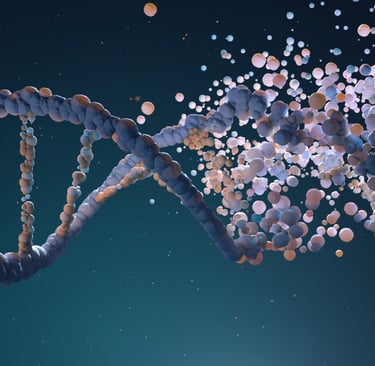
Peptides are short chains of amino acids, the same building blocks that form proteins. While proteins are large, complex structures, peptides are smaller and act more like biological messengers.
In the human body, peptides help regulate essential processes such as:
Cellular communication
Hormonal signaling
Tissue repair mechanisms
Immune system activity
Metabolic regulation
Your body naturally produces many peptides. Advances in laboratory synthesis have allowed researchers to study specific peptide sequences in controlled environments to better understand how these signaling molecules function.
The Early History of Peptide Discovery
The scientific study of peptides began in the early 20th century. One of the earliest and most important peptide breakthroughs was insulin, discovered in the 1920s. Insulin is a peptide hormone that regulates blood sugar and became one of the first major medical applications of peptide science.
Later, in the 1950s, chemists and biologists made major advances in understanding amino acid sequencing and protein structure. These discoveries laid the foundation for synthetic peptide development and modern biotechnology.
By the late 20th century, peptide synthesis techniques had improved significantly, allowing laboratories to create highly specific peptide sequences for research purposes.
The Rise of Peptide Research in the 21st Century
In the 2000s and beyond, peptide research expanded rapidly. Scientists began exploring peptides in areas such as:
Metabolic signaling pathways
Mitochondrial function
Tissue regeneration studies
Neurocognitive research
Longevity science
Compounds such as GLP-1 receptor agonists, mitochondrial-targeted peptides, and regenerative research peptides gained attention for their role in studying cellular efficiency and biological signaling pathways.
Improved manufacturing standards and analytical testing methods have also increased purity, stability, and reproducibility in peptide production.
Peptides Today: A Growing Area of Scientific Interest
Today, peptides represent one of the fastest-growing segments in pharmaceutical and research biotechnology. Compared to larger biologics, peptides offer:
High specificity
Targeted receptor interaction
Predictable metabolic pathways
Relatively shorter half-lives
Advanced synthesis precision
Modern peptide research focuses heavily on metabolic science, cellular aging pathways, neurobiology, and regenerative mechanisms.
As scientific tools improve — including computational modeling and molecular mapping — researchers are gaining deeper insights into how specific peptide sequences interact with receptors and cellular systems.
The Future of Peptide Research
The future of peptides lies in precision science. Researchers continue to explore:
Next-generation metabolic peptides
Mitochondrial-targeted compounds
Tissue signaling modulators
Neuroactive peptide pathways
Longevity-associated molecular mechanisms
With ongoing clinical investigations and technological advancement, peptides remain at the forefront of molecular research innovation.
Final Thoughts
From the discovery of insulin to the rise of modern metabolic and longevity research, peptides have evolved from simple amino acid chains into one of the most exciting areas of scientific study.
As research continues, peptides are expected to play an increasingly important role in understanding cellular communication, metabolic efficiency, and biological regulation at the molecular level.